Biomedical Engineering: pioneering the future of biomedical technologies聽
At the Department of Biomedical Engineering, we鈥檙e driving the development of tomorrow鈥檚 biomedical technologies. By combining engineering with the natural sciences, we conduct cutting-edge research and create innovative solutions that enhance diagnostics, therapies, medical imaging, treatments, and 鈥� most importantly 鈥攑atients鈥� quality of life.
Research profile
-
20+ spinoffs and startups
Regenerative Engineering and Materials
The research of the cluster is mostly basic and applied, focusing on adaptation, remodeling, growth, damage and repair in cells and tissues. We apply a combination of principles from fluid and solid mechanics, cell biology, immune-engineering and biophysics. Outcomes are translated into advanced medical interventions based on tissue engineering and materials for regenerative medicine, mainly in the areas of cardiovascular and musculoskeletal systems.
![[Translate to English:]](https://assets.w3.tue.nl/w/fileadmin/_processed_/b/9/csm_csm_ValveExpSim_Sandra_94a8f133a8_6cb3f206d9.jpg "[Translate to English:]")
Modeling in Mechanobiology
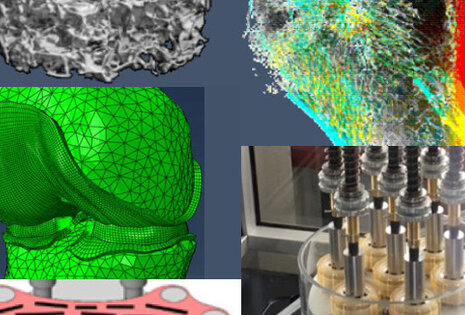
Orthopaedic Biomechanics
We explore and develop (regenerative) treatment strategies for orthopaedic injuries and disorders based on a thorough understanding of…
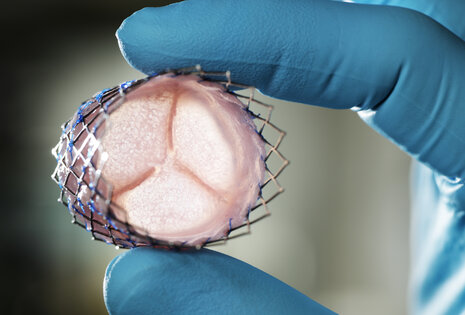
Soft Tissue Engineering and Mechanobiology
At STEM we aim to understand and predict how mechanical factors influence soft tissue growth, remodelling, damage, and repair. We use this…
Chemical Biology
Within this cluster issues in biomedical engineering are approached on a molecular basis using the interplay of organic chemistry, biochemistry, polymer chemistry physical chemistry and chemical physics. Using these disciplines biological processes as well as the interactions between synthetic and living matter are studied at the level of molecules and used as a source of inspiration for the design and synthesis of new drugs and biomaterials.
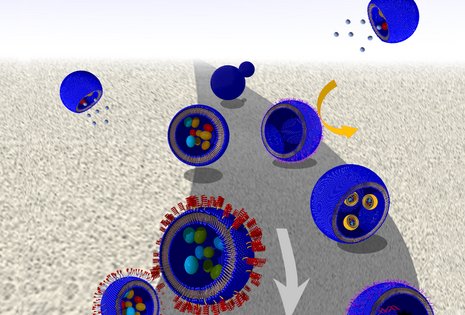
Bio-Organic Chemistry
In our research we combine techniques from protein engineering, polymer chemistry and bioconjugation approaches to create particles with…
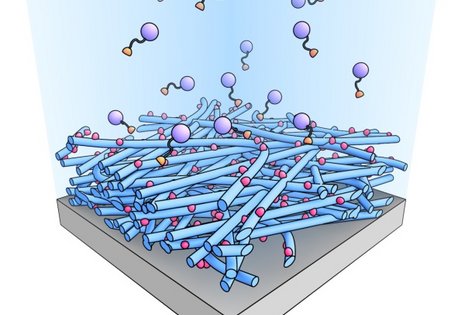
Biomedical Materials and Chemistry
To provide material solutions for regenerative medicine through development of functional biomaterials based on supramolecular chemistry.
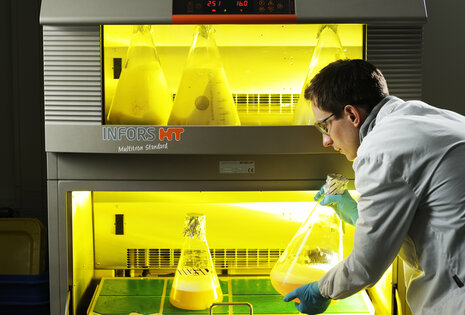
Chemical Biology
The Chemical Biology group is a research group within the department of Biomedical Engineering. The group is supervized by Prof.dr.ir. Luc…
Molecular Biosensing
The MBx group develops technologies based on micro- and nanoparticles for monitoring patients and for treating diseases. Towards this goal,…
Nanoscopy for Nanomedicine
We use advanced microscopy techniques such as super-resolution imaging to understand the structure of synthetic nanomaterials in vitro and…
Precision Medicine
The Precision Medicine group focuses on designing and evaluating nanotherapeutics that regulate the immune response to treat a range of…
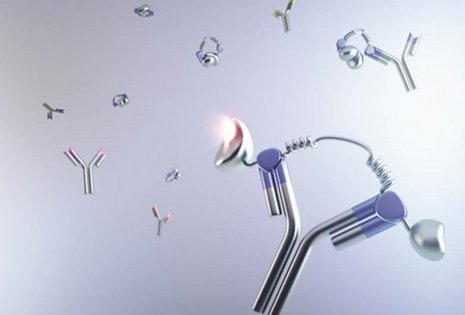
Protein Engineering
protein engineering, biosensors, point-of-care diagnostics, bioluminescence, synthetic biology, chemical biology
Biomedical Imaging & Modelling
Within this cluster methods and techniques from e.g. mathematics, computer science, physics, and medicine are used in medical imaging, image analysis, and modelling and interpretation of biomedical systems. In both research and clinical diagnostics these methods are applied to understand the workings of the human body, and to accurately predict the application of medical interventions.
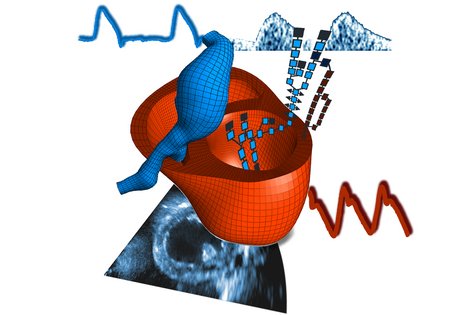
Cardiovascular Biomechanics
cardiovascular, experimental & computational biomechanics, heart, blood vessels, (cardio)vascular disease, aneurysms, arteriosclerosis,…
![[Translate to English:]](https://assets.w3.tue.nl/w/fileadmin/_processed_/0/c/csm_main_image_CBio_cf66a79dc0.jpg "[Translate to English:]")
Computational Biology
Constructing computational models to improve the knowledge of diseases, biomedical processes and structures.
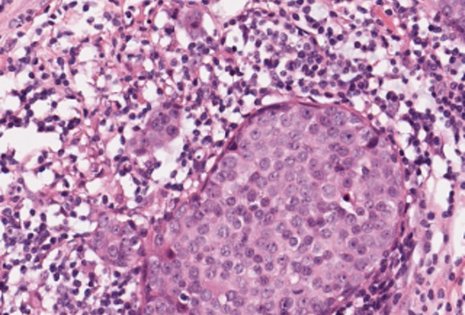
Medical Image Analysis
Developing methods and applications for medical imaging, to improve clinical care. medical imaging, acquisition, image reconstruction,…
![[Translate to English:]](https://assets.w3.tue.nl/w/fileadmin/_processed_/6/1/csm_photoacoustics_21a1dff220.jpg "[Translate to English:]")
Photoacoustics and Ultrasound Laboratory Eindhoven
At PULS/e, our mission is to revolutionize medical imaging by pioneering advancements in ultrasound and photoacoustic technologies. We aim…
Synthetic Biology
We develop living technologies based on synthetic biology to tackle important societal problems including the development of DNA data…
Our laboratories
Our transdisciplinary laboratories offer state-of-the-art facilities that unite biology, engineering, physics, chemistry, and medicine. From culturing autologous tissues and developing biomaterials to advancing cardiovascular biomechanics, ultrasound and photoacoustic imaging, and molecular materials discovery, our labs drive pioneering research and accelerate clinical translation.
Collaboration and network
Our department fosters successful public-private partnerships and spinoffs through close collaboration with academic institutions, industry leaders, and government agencies. Explore some of our ongoing initiatives featured on the right. Beyond these projects, we sustain strong partnerships with leading organizations including Eurotech, the Wyss Institute at Harvard University, the Max Planck Institutes, and the Institute for Bioengineering of Catalonia (IBEC).
Startups and spinoffs
We place strong emphasis on turning research into real-world impact by fostering ambitious startups and spinoffs. Each year, new public-private partnerships emerge, driving the transition from scientific discovery to breakthrough biomedical innovations. Our dedicated BmE student teams compete in challenges that address pressing societal needs by creating life-changing technologies.
Contact
-
Contact
Departmental BoardVector 1.236 -
Visiting address
Department of Biomedical EngineeringVectorBuilding number D1Theodor Fliednerstraat 25631 BN TU Eindhoven -
Postal address
Department of Biomedical EngineeringPO Box 5135600 MB Eindhoven -
Study information